Storage Capacity
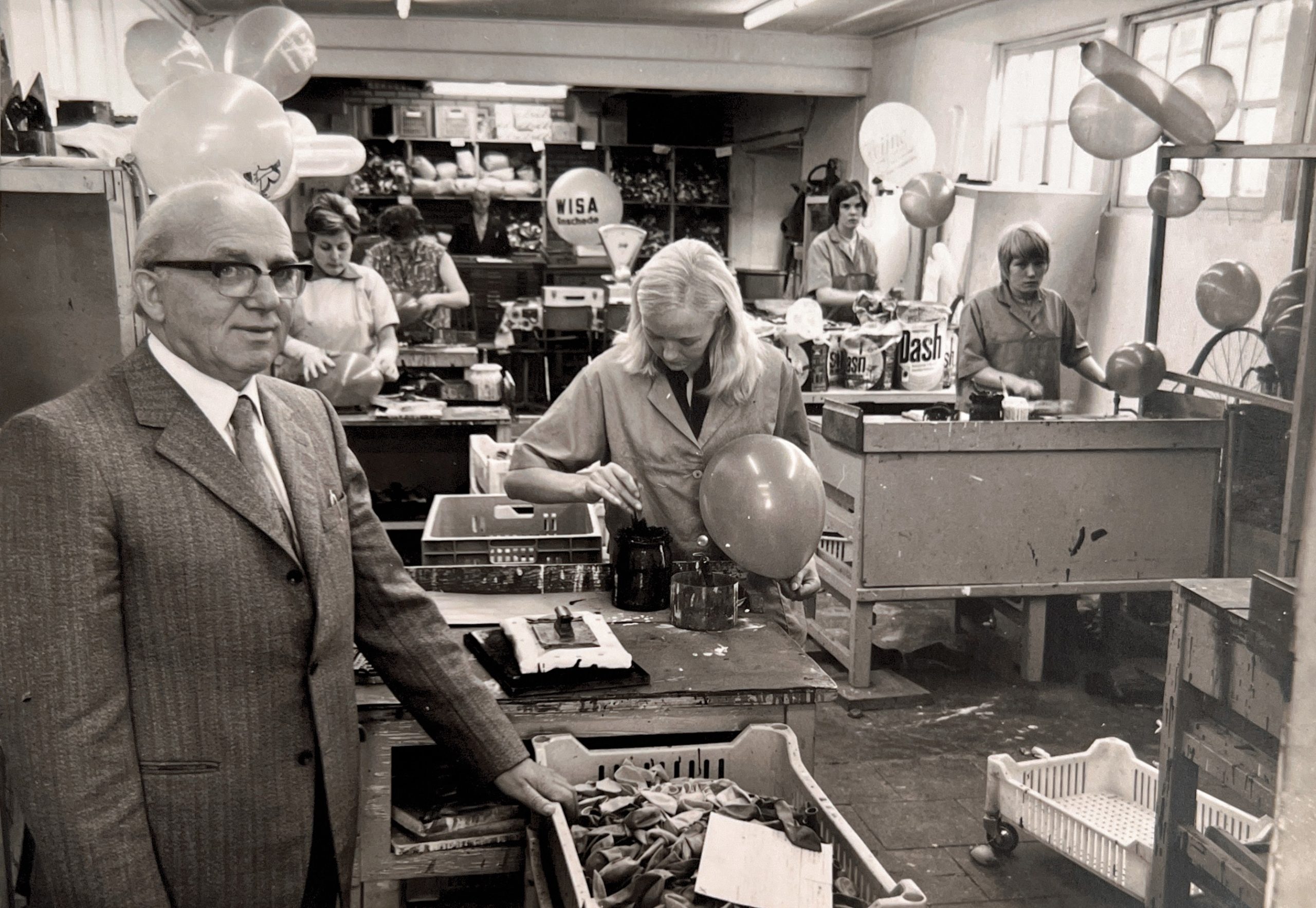
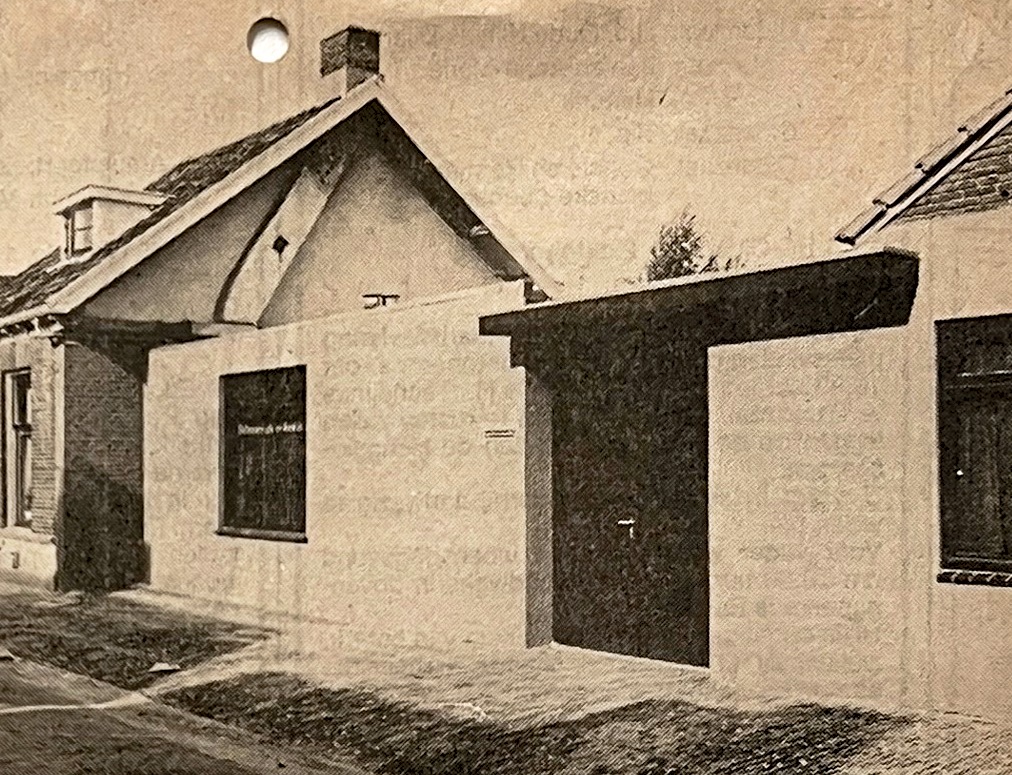
In 1976, Willy Sannemann Jr. officially took over the business from his father. While Willie Sr. enjoyed his well-deserved retirement, the new generation faced a significant challenge. The company experienced steady growth, but the premises on Esstraat were unable to accommodate this expansion.
Logistical Planning and Coordination
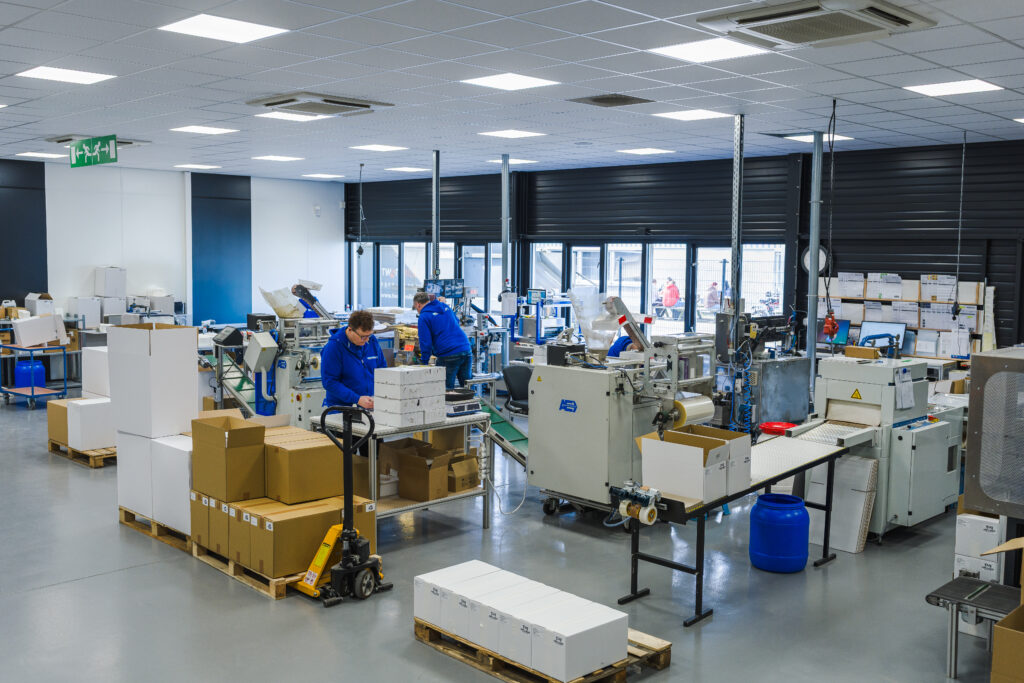
Storage capacity became a daily challenge. Weekly production required storage, but every available square meter — including the former garden of the neighbors — had already been fully utilized. Logistics in the narrow Esstraat presented a complex undertaking:
Traffic Control
Upon the arrival of a truck for loading or unloading, the street had to be cordoned off on both sides with signs.
Manual Work
All goods were still unloaded manually. While the mornings were focused on inbound deliveries, freight forwarders would arrive in the afternoons to collect the final products.
The Heineken Anecdote: “Too Small for the Giant”
The most telling story from this era involves a missed opportunity with Heineken. The beer giant considered placing a substantial order but first sought to verify if Wisa met its stringent 'Heineken-worthy' standards.
“We meticulously cleaned our premises on Esstraat from top to bottom for three days to make an unforgettable impression,” Willy Jr. recalls. The disappointment was therefore profound when, two weeks later, a letter arrived stating that Heineken had ultimately decided against it. The reason? Wisa was simply too small to meet their ambitions.
This rejection was painful, but it also provided the ultimate motivation. It became strikingly evident: for Wisa to truly compete with the major players, more extensive facilities and a more professional operational structure were essential.